
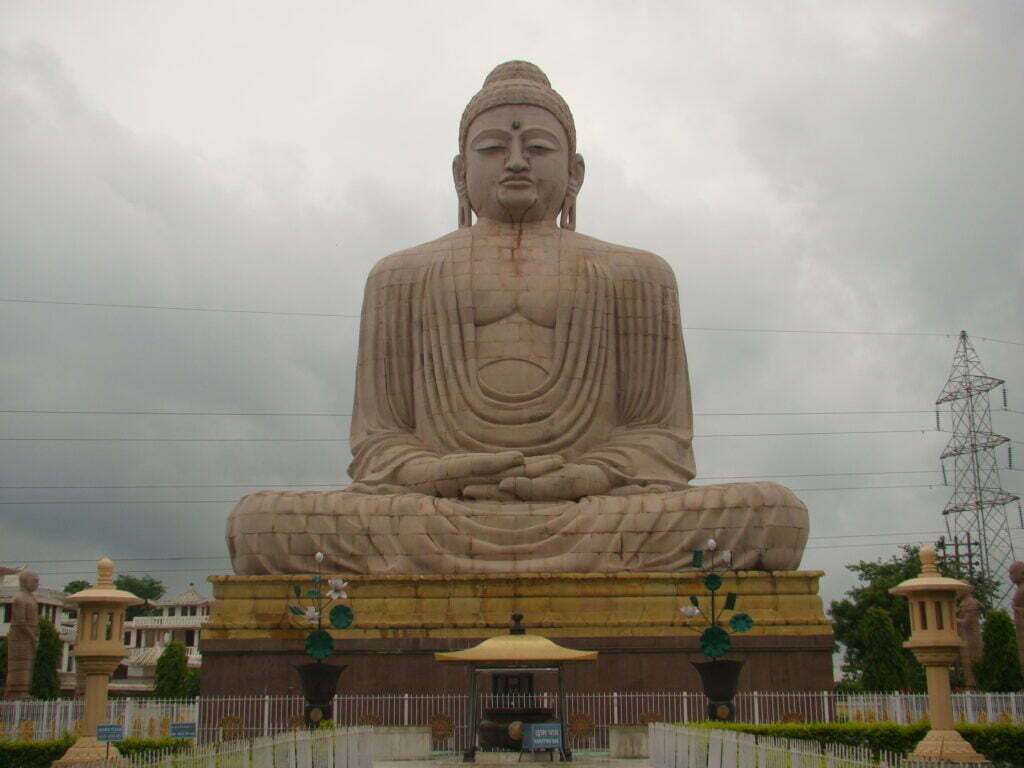
Vipassana Meditation is an ancient technique of meditation aimed at achieving insight into the true nature of reality. It focuses on deep observation of the mind and body, leading to inner purification and liberation. Below is a detailed analysis of its origin, method, and centers where it’s taught:
1. Origin of Vipassana Meditation
- Historical Background: Vipassana, which means “to see things as they really are,” traces its roots to over 2,500 years ago in India. It was rediscovered by Gautama Buddha as a means to achieve enlightenment and to free the mind from suffering.
- Buddhist Teachings: Although Vipassana is a non-sectarian technique, it forms an integral part of Buddhist practice, especially in Theravada Buddhism. It was lost over time in India but preserved in countries like Myanmar (Burma), Sri Lanka, and Thailand.
- Modern Revival: In the 20th century, the Burmese teacher Sayagyi U Ba Khin revived Vipassana meditation, and one of his most prominent students, S.N. Goenka, spread the practice to the rest of the world, particularly in India and the West.
2. The Method of Vipassana Meditation
The essence of Vipassana is observing the sensations in the body and realizing the impermanent, unsatisfactory, and non-self nature of all phenomena. It is traditionally taught in 10-day silent retreats, which include the following steps:
- Silence (Noble Silence): Participants must observe strict silence (no speaking, writing, gestures) throughout the 10 days. This includes abstaining from communication with others and from external distractions like reading or using gadgets.
- Anapana Meditation (First 3 Days): The course begins with Anapana, a technique that involves observing the natural breath, focusing attention on the area around the nostrils. This sharpens concentration and mental focus.
- Body Scan (Day 4 onwards): After three days of focusing on the breath, practitioners learn to scan the body, observing physical sensations (tingling, heat, pressure, etc.) from head to toe and back again. The goal is to remain equanimous (non-reactive) to these sensations, understanding that they are transient (impermanent).
- Equanimity and Awareness: Vipassana aims to train the mind to observe without reacting. By experiencing both pleasant and unpleasant sensations without craving or aversion, one gradually uproots deep-seated patterns of suffering.
- Mental Purification: The practice purifies the mind of negative emotions, helping individuals break free from the cycle of craving, aversion, and ignorance. It promotes mindfulness, emotional resilience, and self-awareness in daily life.
3. Benefits of Vipassana Meditation
- Improved Self-awareness: By observing thoughts and sensations without judgment, practitioners become more aware of their inner processes.
- Reduced Stress and Anxiety: Equanimity towards sensations and emotions helps in managing stress and anxiety more effectively.
- Emotional Healing: Vipassana aids in releasing deep-rooted emotional traumas and negativities.
- Increased Focus and Concentration: Regular practice enhances mental clarity and focus.
- Compassion and Kindness: As one becomes more mindful, there is a natural growth of compassion and love for others.
4. Vipassana Meditation Centers
Vipassana is taught worldwide in a non-commercial, donation-based format. The following are some key centers:
- Dhamma Giri, Igatpuri (India): This is the main Vipassana center and one of the largest, located near Mumbai. It was founded by S.N. Goenka and serves as a major hub for the global Vipassana movement.
- Dhamma Dhara, Massachusetts (USA): The first permanent Vipassana center in North America. It offers regular 10-day courses and longer programs for more advanced students.
- Dhamma Pataka, Cape Town (South Africa): This center serves the African continent, offering frequent courses for new and returning students.
- Dhamma Pajjota, Belgium (Europe): A center in the heart of Europe, offering courses for English and French-speaking students.
- Global Network: Vipassana has centers across Asia, Europe, Australia, and North and South America. Most centers follow the same 10-day retreat format and are taught in line with Goenka’s method.
How to Participate in a Vipassana Course
- Registration: Courses are open to all, regardless of religious background or belief system. Participants must apply well in advance due to high demand.
- Donations: All Vipassana courses are free of charge. The centers are funded by donations from past students who wish to support others in benefiting from the practice.
- Guidelines: Participants are expected to follow a strict code of discipline during the course, including refraining from lying, stealing, sexual activity, and intoxicants.
Conclusion
Vipassana meditation is a powerful tool for mental purification and self-transformation. Its practice allows individuals to experience reality as it is, leading to profound insight and inner freedom. Today, it has become a global movement, with millions of practitioners benefitting from its timeless wisdom. Whether someone is seeking spiritual growth, emotional healing, or stress relief, Vipassana offers a practical, results-oriented approach to cultivating peace and mindfulness.